
Camellia Air Layering
American Camellia Society
The Camellia Review, Vol. 45, #1
Spring 1998
Reprinted with Permission
Sil Caruso, my former high school principal at Clinton High School and now an avid camellia grower in his retirement, presented a program to the Fayetteville Camellia Club last January on the topic of air layering. Using a set of photographs made of his techniques over a six month period, Sil did a fine job of explaining this interesting method of woody plant propagation to about 50 club members.
In the Spring 1996 issue of this journal, Sil described many of his air layering secrets in an article entitled "Eureka!" In his presentation to the Fayetteville club he demonstrated his techniques. Sil and his wife Geraldine recorded the questions posed by the audience in hopes of further refining the art of air layering. This article is our effort to bring that information to you. Sil and I will comment on each stage of the process.
What size camellia branch is best for air layering?
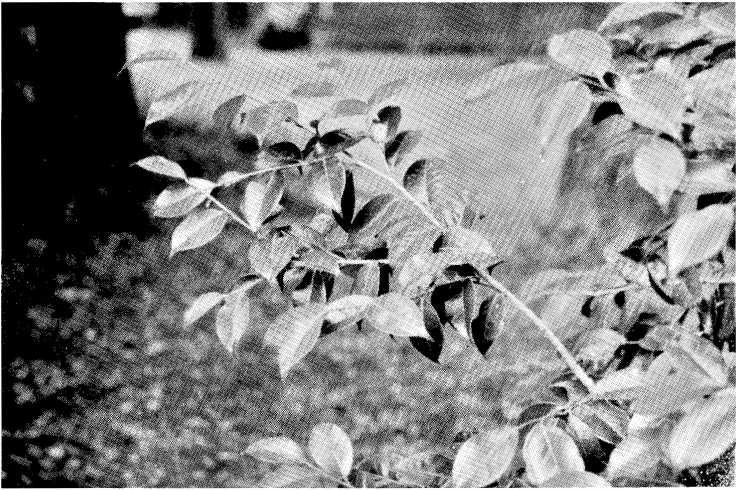
Sil: I have used branches from 1/4" to 3/4" in diameter. I prefer 1/2" limbs which are mature enough to set flower buds.
Jim: The fact that you can air layer a limb consisting of 1–3 year old wood means that an air layered camellia is usually years ahead of a tip cutting propagate. This certainly gives you a mature plant sooner, and often bloom buds emerge the very first year. I remember Carl Allen bringing a nice 'Dr. Clifford Parks' plant in a one-gallon pot to the Wilson Camellia Show. The plant was air layered the previous March, severed and potted in July, and six months later had a fine 7" bloom wide open.
Is it necessary to remove all of the cambium (green layer)?
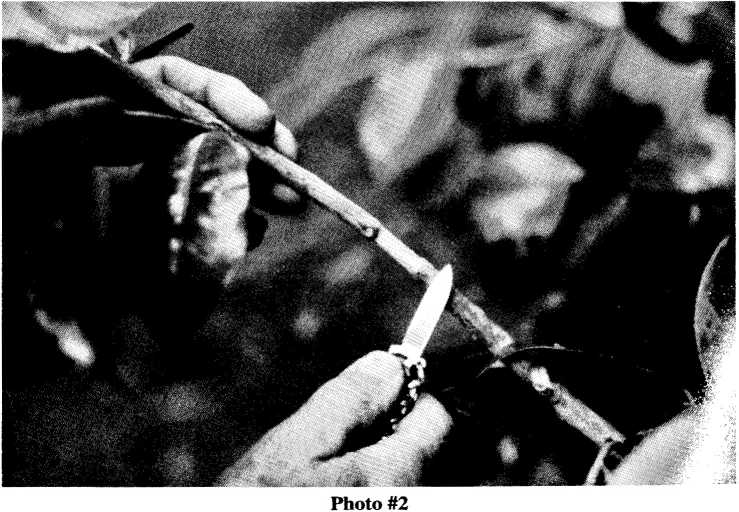
Sil: Yes! Since the cambium produces both the xylem (wood) and the phloem (outer layer), all of the cambium must be removed to prevent healing without root production.
Jim: You must completely girdle the stem, cutting away all tissue along about one inch of stem. This includes the bark, green cambium, and everything down to the white wood. Remember, the active xylem cells remaining in the woody tissue will still function to bring water and nutrients up from the roots and deliver these vital materials to the leaves and stem tissue beyond the air layer.
When do you air layer camellias?
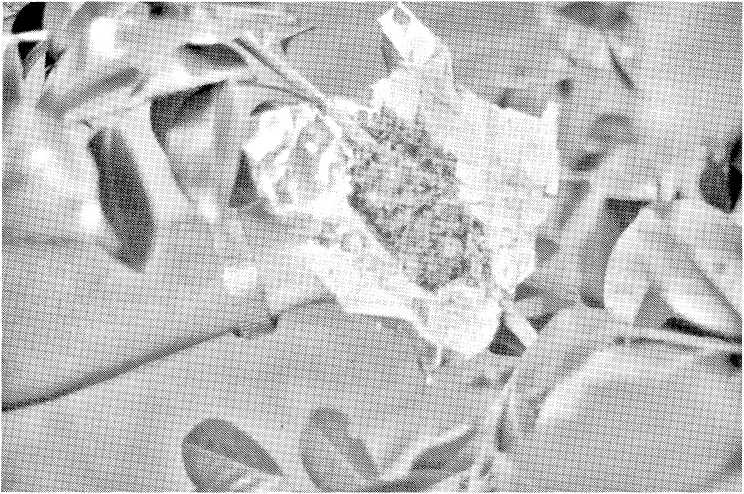
Sil: I air layer in March. This allows time for roots to form by July.
Jim: Some growers use sheet sphagnum peat moss, others use regular peat moss — I have used both with good results. The important thing is to keep the medium barely moist so that new roots will find a welcome medium for growth and will not dry out. March is the best time for this procedure, just before the sap rises. The rising sugar and chemicals will foster shoot growth and root production at the wound. The air layer needs to be in place when this sap begins its upward movement, so late February or March is the ideal time.
What do you use to cover the air layer while it is rooting?
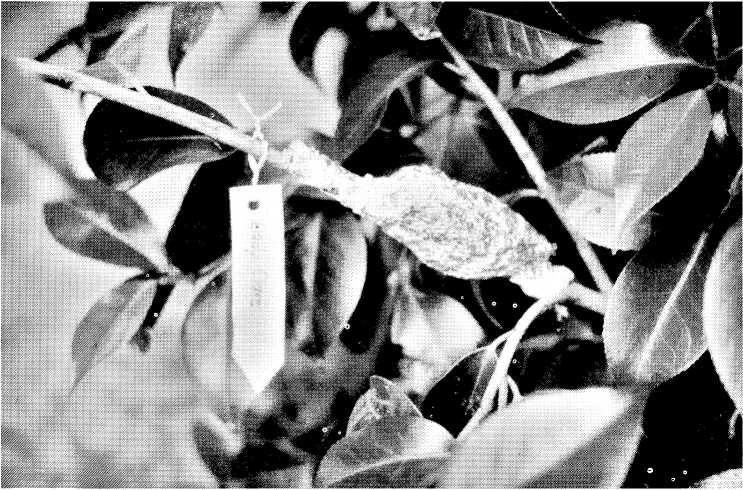
Sil: I use aluminum foil to wrap the air layer. It is pinched lightly at both ends, allowing rain water to enter the top and moisten the peat moss, while allowing excess water to drain out at the bottom.
Jim: Some growers will also line the inside of the aluminum foil with a plastic bag or Saran Wrap to help keep the peat moss moist, especially if you have problems with birds pecking holes in the foil and allowing too much water to evaporate.
When do you uncover the new root system?
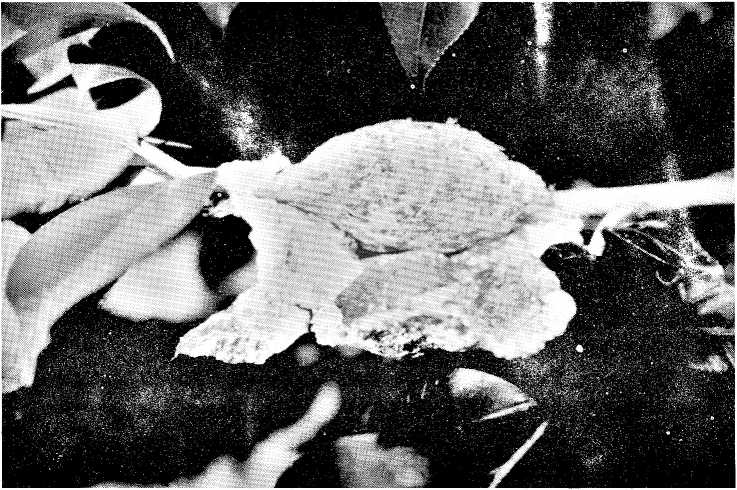
Sil: I check the bulge beginning in late spring to see if I can detect root tissue by feel. I do not remove the foil covering, however, until July. There is usually a good root mass by then.
Jim: As the air layered branch grows during the spring it assimilates sugar, growth hormones, and many other organic chemicals. These migrate downward through the phloem until they reach the wound. If the phloem is completely removed at the wound, these chemicals can descend no farther — they mass at that point and, in such high concentrations, the growth hormones cause the primordial root cells to initiate growth. You can add your own growth hormone to accelerate this process. The root primordial cells become root initials, which grow until they break through the bark and finally become new roots.
When do you pot the air layer?
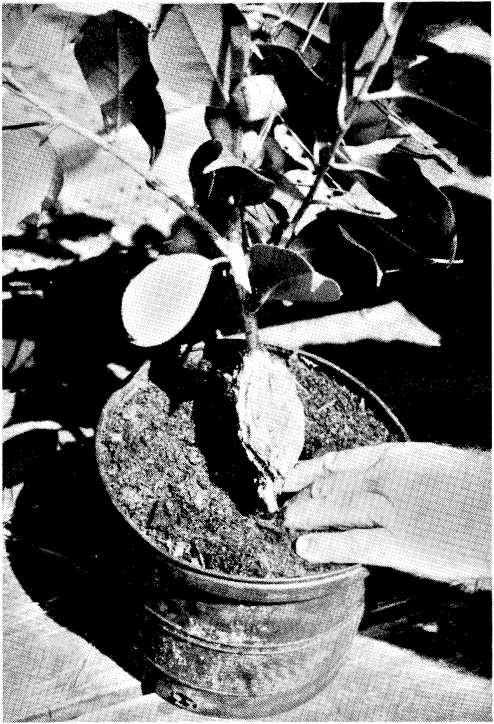
Sil: I pot the new plant in July. This will allow sufficient time for the new root system to expand into the medium by early November.
Jim: Remember, the new root system is disproportionate to the plant — much smaller than such a plant requires. After potting you will need to grow it in the shade and keep it moist. Carl Allen even used a mist system over his newly potted air layers for several weeks so they would not wilt while developing a larger root system.
When do you permanently plant the new camellia into the ground?
Sil: I do my permanent planting in early November. This allows the roots to stabilize by mid-winter.
Jim: It is fine to leave the camellia in the pot until the next year if it takes that long for the new root system to become mature and reach the sides of the container. Don't plant into the landscape until the root system is mature and able to support the upper portion of the plant.
Can a drip system be used for watering the air layer in the pot from July until November?
Sil: No! Keeping the foliage moist is crucial. Since I do not have a greenhouse, I keep a water hose supply handy. Depending on the number of air layers I have, I use a watering can or hose. By keeping water near, I can wet the leaves whenever they become dry — sometimes several times a day on hot summer days.
Jim: Sil Caruso has hundreds of air layers growing on camellia branches in several localities in southeastern North Carolina. He has planted over 100 new camellia varieties in his garden over the last three years thanks to air layering. Nearly all of these are mature plants which flower the first year in the landscape. If you want an inexpensive and interesting way to collect camellias and have fun, why not consider air layering?
